Effective Puppy Leash Training: A Friendly Guide for New Dog Owners
Bringing a new puppy home is an exciting adventure. One of the first skills I focus on is teaching my puppy to walk nicely on a leash. It’s a crucial step for safety and fun walks around the neighbourhood. Leash training a puppy can feel challenging at first, but with patience and the right approach, it becomes a joyful bonding experience. In this guide, I share simple, practical tips to help you and your puppy enjoy every step together.
Why Puppy Leash Training Matters
Leash training is more than just a way to control your puppy during walks. It builds trust and communication between you and your furry friend. When your puppy learns to walk calmly on a leash, you both get to explore the world safely. This training also prevents pulling, lunging, or darting after distractions like other dogs or cars.
In Mombasa, where the streets can be busy and full of exciting smells, leash training is especially important. It keeps your puppy close and protected while allowing them to enjoy the fresh air and new sights. Plus, a well-trained puppy on a leash is a joy to take anywhere - from the beach to the park or even a vet visit.
Puppy Leash Training: Getting Started the Right Way
Starting leash training early sets your puppy up for success. Here’s how I begin:
Choose the right equipment: A lightweight collar or harness and a comfortable leash about 4 to 6 feet long work best. Avoid retractable leashes for training as they can confuse your puppy.
Introduce the leash indoors: Let your puppy wear the collar or harness and leash inside the house. This helps them get used to the feel without distractions.
Use treats and praise: Reward your puppy with small treats and happy words when they stay calm with the leash on.
Practice short sessions: Keep training sessions brief and fun, about 5 to 10 minutes, several times a day.
By making the leash a positive part of your puppy’s day, you build a strong foundation for outdoor walks.
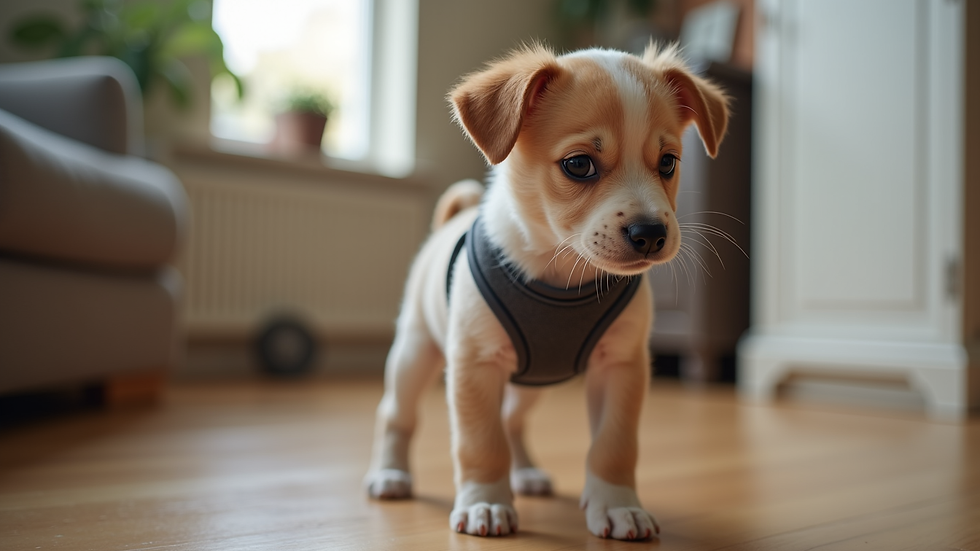
What's the Best Way to Train a Puppy on a Leash?
The best way to train a puppy on a leash is with patience, consistency, and positive reinforcement. Here’s a step-by-step approach I follow:
Start in a quiet area: Begin training in a calm, familiar place with few distractions.
Encourage walking beside you: Hold the leash loosely and encourage your puppy to walk next to you using treats and a cheerful voice.
Stop when pulling happens: If your puppy pulls, stop walking immediately. Wait for them to come back or loosen the leash before moving again.
Use a cue word: Choose a simple word like “let’s go” or “heel” to signal your puppy to walk beside you.
Gradually increase distractions: Once your puppy walks well in a quiet spot, practice in busier areas like parks or streets.
Keep sessions short and positive: End each walk on a good note with praise and treats.
Remember, every puppy learns at their own pace. Celebrate small wins and stay patient.
Common Challenges and How to Overcome Them
Leash training can come with some bumps along the way. Here are common issues and how I handle them:
Puppy pulls on the leash: Stop walking and wait for your puppy to relax. Reward calm behaviour and try again.
Puppy gets scared or distracted: Take a break and return to a quieter spot. Use treats to regain focus.
Puppy tries to bite the leash: Redirect their attention with a toy or treat. Avoid pulling the leash harshly.
Puppy refuses to walk: Gently encourage with treats and a happy voice. Sometimes a short play break helps.
Consistency and kindness are key. If you stay calm and encouraging, your puppy will learn to enjoy leash walks.

Tips for Long-Term Success in Puppy Leash Training
To keep leash training effective as your puppy grows, I follow these tips:
Practice daily: Regular walks and training sessions reinforce good habits.
Vary your routes: Exploring new places keeps your puppy interested and adaptable.
Use positive reinforcement: Always reward good behaviour with treats, praise, or play.
Be patient with setbacks: Puppies have off days. Stay consistent and loving.
Keep safety in mind: Use a sturdy leash and collar or harness, especially in busy areas.
By making leash training a positive and regular part of your routine, your puppy grows into a confident, well-behaved dog.
Enjoy Every Step of the Journey
Leash training a puppy is a wonderful way to build a strong bond and keep your furry friend safe. It takes time, patience, and lots of love, but the rewards are priceless. Watching your puppy walk happily by your side, exploring the world with curiosity and confidence, is a joy like no other.
If you want to learn more about leash training a puppy, remember that every step counts. Celebrate progress, stay positive, and enjoy the journey together.
Your puppy’s leash training adventure starts today - and it’s going to be pawsome!
Thank you for reading! For more tips and support on caring for your puppy in Mombasa, visit PAWSOMEPETTS, your trusted partner in loving pet care.



Comments